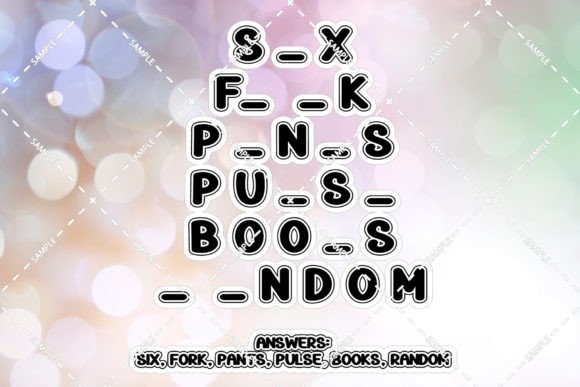
Funny Game Time SVG PNG: A Playful Graphic for Craft & Design Projects
First Impressions: A Silhouette with Personality
Opening the FUNNY GAME TIME SVG PNG file, the first thing that stands out is its lighthearted tone. It's a clever combination of question and answer, presented in a bold silhouette format that immediately draws the eye. As a designer, I appreciate how it balances humor with simplicity, making it a strong contender for projects that aim to engage audiences with a touch of wit. The design isn’t just a visual—it's a conversation starter.
Style and Mood: Modern, Fun, and Conversational
This design asset leans heavily into a casual, modern aesthetic. The silhouette format gives it a clean outline that works well in both print and digital formats. The text integration—especially the “What do you think it says?” followed by a cheeky response—adds a layer of interaction that’s perfect for brands looking to inject personality into their visual identity.
It’s ideal for client projects that want to feel approachable, youthful, and slightly irreverent. Think of boutique brands, seasonal campaigns, or small business branding that wants to stand out with humor without sacrificing professionalism.
Where It Shines: Real-World Applications
From a design execution standpoint, the FUNNY GAME TIME SVG PNG works best in projects where visual engagement is key. Here are some of the top use cases I can imagine:
- Social media graphics – Perfect for Instagram stories or Pinterest pins where a quick, funny visual can stop the scroll.
- Product packaging – Adds a quirky element to labels or packaging inserts for handmade products or small-batch goods.
- Merchandise design – Great for t-shirts, mugs, and tote bags where humor supports brand identity.
- Printable wall art – Works well in themed collections or as part of a humorous gallery wall layout.
- Cricut and Silhouette projects – Easy to resize and layer for custom craft projects.
Design Strengths: Visual Impact and Flexibility
One of the strongest aspects of this graphic is its versatility. The SVG format allows for easy editing in design software like Adobe Illustrator or Canva, while the PNG version ensures compatibility for non-vector users. The silhouette style means it can be used in both color and monochrome without losing its impact.
In branding mockups, it can serve as a supporting element or a central visual depending on layout needs. For example, on a product label, it could be a secondary graphic that adds character. In a social media post, it might be the hero graphic that drives the message home.
Where to Use It Carefully: Limitations and Nuances
Despite its strengths, there are scenarios where the FUNNY GAME TIME SVG PNG may not be the best fit. It’s not ideal for:
- Small-scale print – The text detail might get lost on tiny stickers or business cards.
- Minimalist branding – If the client’s brand is clean and serious, this asset could clash with the overall tone.
- Complex layouts – It may get visually buried in a design with many other elements or on busy backgrounds.
- Corporate or formal materials – Annual reports, legal documents, or professional presentations are unlikely to benefit from this playful tone.
Readability and Brand Consistency Considerations
As with any design asset, readability and brand alignment are key. This SVG PNG works best when paired with a complementary font style. For example, using a bold sans-serif font for surrounding text maintains visual harmony. If integrating into a brand identity system, it’s important to ensure it doesn’t overpower more formal brand elements.
It also adds a level of emotional appeal that can boost audience engagement—especially for brands that want to be seen as fun and relatable. However, overuse could dilute the brand’s professionalism, so strategic placement is crucial.
Practical Designer Notes Before Implementation
Before finalizing this graphic in a client project, here are several checks I’d run through:
- Test in black and white – Confirm it still reads clearly without color.
- Check contrast – Preview on both light and dark backgrounds to ensure visibility.
- Resize testing – See how it holds up at small (like on a sticker) and large (like a poster) sizes.
- Mockup placement – Use real product or layout mockups to visualize how it integrates.
- Print quality – If used in print-on-demand or packaging, test for clarity and resolution.
- File format inspection – Make sure the SVG is fully editable and the PNG has transparent background if needed.
- Font compatibility – Pair with serif, sans-serif, script, or display fonts to see which style enhances the overall design.
- License verification – Always confirm that the file comes with a commercial license before using it for client work or resale.
Why It Works for Creative Marketplaces and Digital Sellers
This type of design asset is exactly the kind of resource that thrives in creative marketplaces like Etsy or design bundles aimed at small business owners. It’s a ready-to-use graphic that can be easily integrated into a variety of digital and physical products, from Canva templates to sublimation prints.
For digital sellers, the FUNNY GAME TIME SVG PNG offers flexibility and reuse potential. It can be part of a themed design pack or sold individually as a quirky graphic for Cricut and Silhouette users. For print-on-demand sellers, it’s a quick way to add humor to mugs, t-shirts, and tote bags—products that often rely on personality-driven visuals to attract buyers.
Final Thoughts: A Fun Addition to Your Design Toolkit
In conclusion, the FUNNY GAME TIME SVG PNG is a smart, playful graphic that brings both visual and emotional value to the right kind of design project. Whether you're a graphic designer working on a client's seasonal campaign or a small business owner creating custom merchandise, this asset has the potential to elevate your visual storytelling.
Just remember to use it thoughtfully—considering size, context, and brand tone—and always verify its technical and licensing suitability before final delivery. With those checks in place, it becomes more than just a graphic—it becomes a memorable part of the brand experience.